Understanding Business IT Support Services
In today's fast-paced digital landscape, businesses of all sizes are increasingly reliant on technology to drive operations, enhance productivity, and remain competitive. As a result, having a robust IT support framework in place is not just beneficial but essential. Business IT support services encompass a range of offerings designed to maintain and optimize your company’s technical infrastructure, ensuring that your team can focus on what they do best. When exploring options, business IT support services can help streamline your operations while providing peace of mind regarding cybersecurity and system performance.
What Are Business IT Support Services?
Business IT support services refer to the comprehensive support provided to companies to manage their IT infrastructure effectively. These services can include everything from troubleshooting hardware and software issues to implementing complex IT solutions that align with a company’s strategic goals. Typically offered by specialized service providers, these solutions range from basic helpdesk support to fully managed IT services that can handle all aspects of a company’s technology needs.
The Importance of Proactive IT Support
Proactive IT support means anticipating potential issues before they disrupt business operations. Unlike reactive IT support, which responds to problems as they arise, proactive services employ monitoring tools and regular maintenance practices to identify vulnerabilities and address them promptly. This approach minimizes downtime and enhances productivity across the organization.
Moreover, proactive IT support can significantly reduce the cost of IT operations over time. With regular system updates, effective cybersecurity measures, and ongoing education for employees regarding technology best practices, businesses can avoid unexpected expenses and stay ahead of the curve in an ever-evolving digital landscape.
How IT Support Packages Cater to Different Businesses
One size does not fit all in the realm of IT support. As companies differ in size, structure, and technology needs, IT support packages must be tailored accordingly. For instance, small businesses may require foundational support that includes helpdesk services and basic device monitoring, whereas larger organizations with complex infrastructures might demand specialized services such as dedicated IT teams and stringent compliance management. By offering a range of support options—from essential IT support for small enterprises to comprehensive managed IT services for larger firms—providers can ensure that every sector receives the appropriate level of care and expertise.
Key Components of Effective IT Support
Proactive Monitoring and Management
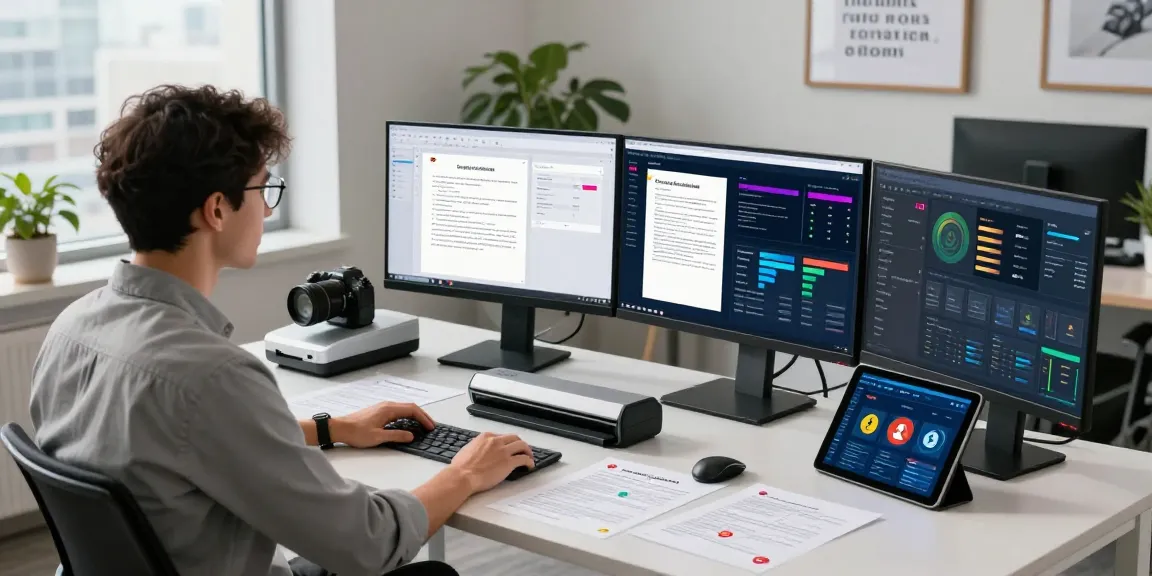
At the heart of effective IT support is proactive monitoring and management. This component involves the continuous assessment of a company’s IT environment through automated tools that can identify issues in real time. For example, a Remote Monitoring and Management (RMM) system can alert IT personnel of performance bottlenecks or potential security breaches before they escalate into critical problems. This ensures that businesses operate smoothly and securely without the threat of unforeseen disruptions.
Helpdesk Services and User Support
Helpdesk services serve as the frontline for IT support, providing users with direct access to technical assistance for their everyday issues. A well-structured helpdesk can offer various channels for support including phone, email, and chat services, ensuring that all user concerns are addressed efficiently and effectively. Prompt user support translates directly into increased productivity, as employees spend less time grappling with technical problems and more time focusing on their core responsibilities.
Endpoint Protection and Cybersecurity Solutions
With the rise of cyber threats, endpoint protection has become a critical component of IT support services. This involves securing every endpoint—such as computers, smartphones, and servers—connected to the network. Comprehensive cybersecurity solutions not only protect sensitive data but also ensure compliance with regulations and standards, thereby mitigating risks associated with data breaches.
Effective cybersecurity requires a multi-layered approach, incorporating firewalls, antivirus programs, and employee training to recognize potential threats. Investing in robust cybersecurity measures can save businesses from the costly repercussions of data breaches and enhance overall trust with clients and partners.
Choosing the Right IT Support Package
Identifying Your Business Needs
Assessing your business’s IT needs is the first step in selecting the right support package. Companies should evaluate their technology infrastructure, employee technical expertise, and overall operational goals to determine what level of support is necessary. Small businesses may prioritize basic helpdesk support and cloud services, while larger organizations might require customized solutions such as dedicated account management and comprehensive cybersecurity measures.
Additionally, understanding current and future technology needs can guide businesses in choosing scalable support options that will grow alongside their operations.
Comparing Pricing Models and Options
When it comes to IT support, the pricing model can significantly influence a business’s decision. Organizations will typically encounter various pricing structures, including fixed monthly fees, pay-per-use rates, or tiered service levels that allow for flexible scaling. By comparing these options against their budget and expected service levels, businesses can choose a model that aligns most closely with their operational objectives.
Evaluating Service Level Agreements (SLAs)
Service Level Agreements (SLAs) are critical as they define the expected level of service between providers and clients. Evaluating SLAs involves assessing response times, availability, and the extent of support covered under the agreement. It’s essential for businesses to select a provider that offers SLAs aligned with their operational requirements, ensuring that they receive timely support during critical moments.
Measuring the Impact of IT Support Services
Metrics for Assessing IT Support Effectiveness
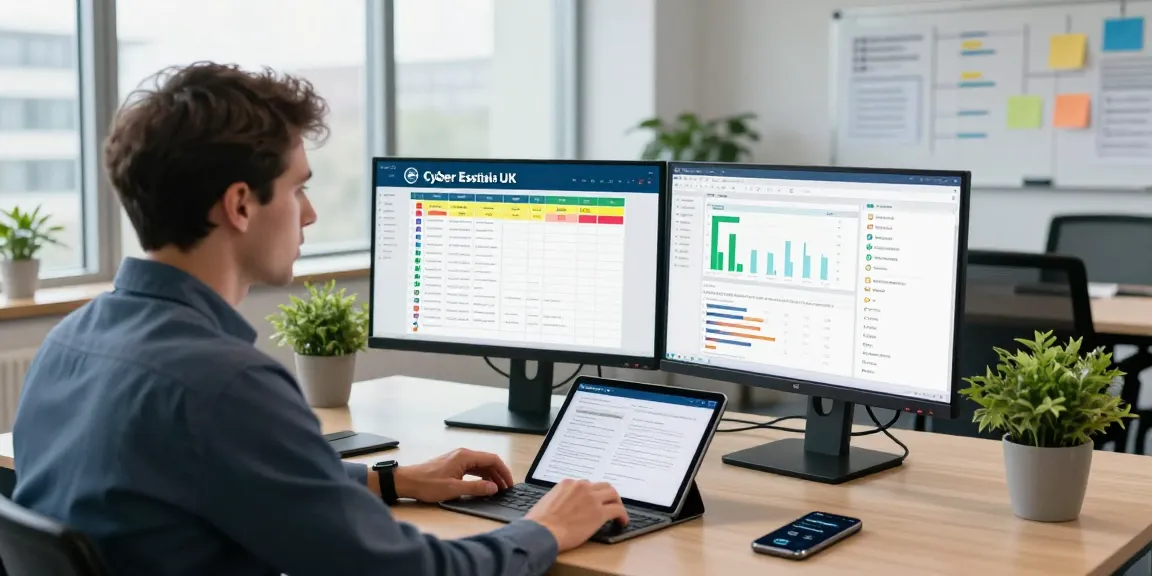
To understand the value of IT support services, businesses should monitor specific metrics that indicate effectiveness. Key performance indicators (KPIs) such as response and resolution times, user satisfaction scores, and system uptime provide significant insights into the performance of IT support. Regularly reviewing these metrics can help identify areas for improvement and enhance the overall quality of service.
Case Studies: Success Stories from Real Businesses
Analyzing case studies is an effective way to gauge how IT support services have benefited other businesses. For example, a small marketing firm that partnered with a managed IT service provider saw a 30% decrease in system downtime within the first three months, resulting in improved productivity and higher client satisfaction. Such real-world examples can provide valuable inspiration and benchmarks for companies considering similar services.
Feedback Mechanisms for Continuous Improvement
Establishing feedback mechanisms is vital for continuous improvement in IT support services. Regular surveys, performance reviews, and user feedback sessions can help providers understand their clients' evolving needs and adapt services accordingly. A commitment to ongoing engagement can foster trust and strengthen the relationship between businesses and their IT support providers over time.
Future Trends in Business IT Support Services
Emerging Technologies Shaping IT Support
The landscape of IT support is continually evolving, driven by emerging technologies such as artificial intelligence (AI) and machine learning. These innovations can enhance problem-solving capabilities by automating routine tasks, predicting potential IT failures, and optimizing workflows to improve overall productivity.
As these technologies gain traction, businesses must remain aware of how they can leverage them to enhance their IT support capabilities and stay ahead of competition.
The Role of AI in IT Management
Artificial Intelligence is set to revolutionize IT management by enabling predictive analytics and automating various support functions. For example, AI can analyze system data to predict when hardware might fail, allowing businesses to perform maintenance before issues arise. This predictive capability reduces downtime and enhances the efficiency of IT operations, thereby delivering a greater return on investment.
Preparing for Compliance and Security Challenges in 2026
As we move towards 2026, compliance and security challenges will become increasingly complex. Businesses must prioritize cybersecurity measures and stay informed about the regulatory landscape to ensure they meet compliance requirements. Working with IT support providers knowledgeable in these areas can help businesses navigate potential pitfalls and establish robust defenses against cyber threats.
What are the main benefits of using IT support services?
The primary benefits of IT support services include enhanced security, reduced downtime, increased productivity, and access to industry expertise. By leveraging these services, businesses can focus on their core activities while ensuring their technology remains reliable and efficient.
How can small businesses choose the right IT support?
Small businesses can choose the right IT support by assessing their specific needs, comparing service packages, and evaluating provider credentials. Engaging in thorough research and seeking testimonials from other businesses can also aid in making informed decisions.
What technologies are important for business IT support?
Key technologies for effective business IT support include cloud computing, cybersecurity solutions, remote monitoring tools, and endpoint protection software. These technologies not only enhance security but also improve overall operational efficiency.
How does proactive IT support prevent downtime?
Proactive IT support prevents downtime by monitoring systems continually, resolving issues before they impact business operations, and ensuring that all software and hardware are updated regularly. This approach leads to increased productivity and a smoother workflow within the organization.
What are the costs associated with IT support services?
The costs associated with IT support services can vary significantly based on the level of service required, the size of the business, and the specific solutions sought. Factors such as the complexity of the IT environment and the number of users often dictate pricing structures, ranging from basic plans to extensive managed services.