
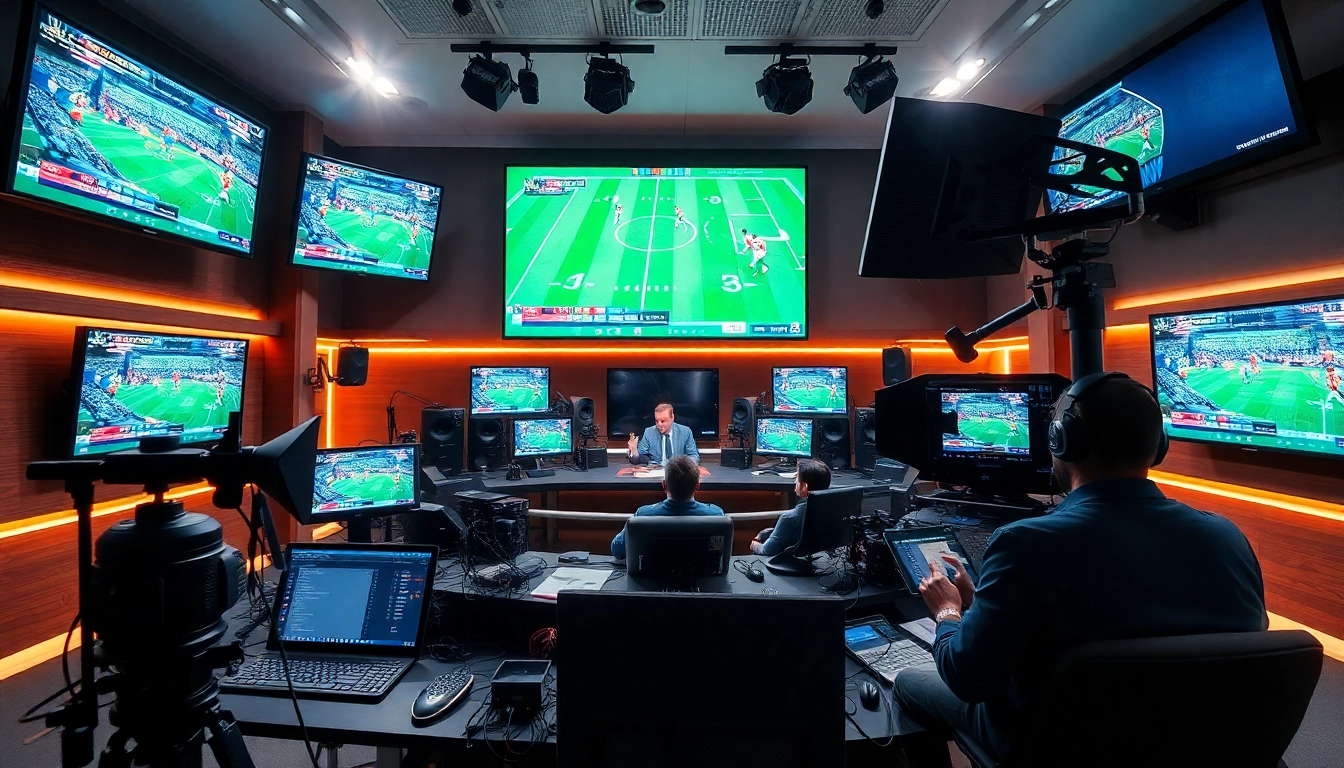
Understanding the Basics of Sports Broadcasting
What is Sports Broadcasting?
Sports Broadcasting is the dissemination of sports events through various channels, including television, radio, and online platforms. This field plays a pivotal role in engaging fans, offering them access to live events and sports-related content, while also generating revenue for teams and broadcasters alike. The evolution of technology has significantly transformed the landscape, expanding the reach and accessibility of sports. As a budding sports broadcaster, knowing the fundamentals is essential for navigating this dynamic industry, especially if you aim to create compelling and engaging content in fields like Sports Broadcasting.
Key Components of Sports Broadcasting
Successful sports broadcasting relies on several critical components:
- Content Quality: The overall quality of the broadcast, including commentary and visual elements, is paramount. Engaging narratives help retain viewer interest.
- Technical Skills: Proficient use of audio-visual equipment is essential. This includes cameras, microphones, and lighting setups that enhance the viewing experience.
- Audience Engagement: Interacting with fans through social media and real-time feedback helps build a loyal audience.
- Adherence to Regulations: Broadcasters must be aware of licensing agreements and broadcasting rights to avoid legal issues.
History and Evolution of Sports Broadcasting
The origins of sports broadcasting can be traced back to the early 20th century when radio became the primary medium. The first-ever radio broadcast of a sporting event occurred in 1921, covering a boxing match. With the advent of television in the late 1940s, sports broadcasting surged in popularity. Iconic events like the Super Bowl and the World Series became staple broadcasts, bringing significant advertising revenue. Today, digital platforms have revolutionized how audiences consume sports, allowing for on-demand access and personalized viewing experiences.
Essential Tools for Successful Sports Broadcasting
Technology and Equipment Used in Sports Broadcasting
The backbone of effective sports broadcasting lies in advanced technology. Key tools include:
- Cameras: High-definition cameras are crucial for capturing the action. Multi-angle setups provide varied perspectives.
- Audio Equipment: Quality microphones ensure clear commentary and sound quality, eliminating background noise.
- Switchers and Mixers: These tools help streamline the broadcast by allowing directors to manage multiple audio and video sources.
- Streaming Software: Platforms like OBS or Wirecast facilitate live streaming, ensuring seamless delivery to viewers.
Software Platforms for Broadcasting Sports
A plethora of software is available for sports broadcast professionals. Popular software choices include:
- Streamlabs OBS: Widely used for live streaming, Streamlabs offers built-in features such as chat integration and customizable alerts.
- Vmix: This software enables professional productions with multi-camera support and real-time titling.
- Adobe Premiere Pro: For post-production, Adobe Premiere Pro provides robust editing capabilities, essential for crafting high-quality content.
- Final Cut Pro: Another prevalent choice for editors, this software offers seamless integration with Apple devices and high-performance tools.
Best Practices for Setting Up Your Sports Broadcasting Studio
Creating a broadcasting studio requires thoughtful planning and execution. Consider the following best practices:
- Location: Choose a quiet, spacious area with minimal distractions for optimal recording conditions.
- Lighting: Proper lighting enhances video quality. Use softboxes or ring lights to illuminate the space uniformly.
- Soundproofing: Reduce external noise using soundproofing panels or heavy foam materials.
- Equipment Layout: Ensure a logical layout for the equipment, enabling smooth operations during broadcasts.
Content Creation Strategies in Sports Broadcasting
Developing Engaging Sports Broadcast Content
The content must resonate with the audience to garner their attention. Here are strategies to create compelling broadcasts:
- Narrative Techniques: Build storytelling elements around the match, featuring player backstories or historical context.
- Expert Commentary: Include insights from analysts or former athletes to provide viewers with deeper understanding and context.
- Visual Elements: Utilize graphics and highlights to maintain audience interest and clarify complex plays.
Leveraging Social Media in Sports Broadcasting
Social media is a powerful tool for boosting engagement. Key strategies include:
- Live Updates: Share real-time updates, scoreboards, and highlights during events on platforms like Twitter and Instagram.
- Interactive Content: Polls, quizzes, and discussions allow fans to engage actively, enhancing community experience.
- Behind-the-Scenes Content: Exclusive footage and player interviews generate excitement and personal connections with the audience.
Creating a Unique Brand Voice in Sports Broadcasting
A distinct brand voice sets your content apart. Steps to develop this include:
- Identify Your Audience: Understand who your viewers are to tailor the tone, language, and themes to their preferences.
- Consistency: Maintain uniformity in messaging and style across all platforms to strengthen brand identity.
- Authenticity: Promote genuine engagement by sharing personal anecdotes or community stories, resonating with fans on a deeper level.
Monetization Opportunities in Sports Broadcasting
Advertising and Sponsorships in Sports Broadcasting
Advertising remains a cornerstone of revenue in Sports Broadcasting. Different approaches include:
- Traditional Ads: Commercial breaks feature ads from various sponsors, loaded with promotional content relevant to the sporting community.
- Product Placement: Integrating products naturally into broadcasts can create value without disrupting content flow.
- Local Sponsorships: Partner with local businesses to offer regional ads during broadcasts, enhancing community support.
Subscription Models and Pay-Per-View Systems
Subscription models are increasingly popular with the shift toward digital content. Approaches include:
- Monthly Subscriptions: Implement a monthly fee for access to exclusive live events and behind-the-scenes content.
- Pay-Per-View: Charge viewers for specific events, appealing to casual fans who may not want a full subscription.
- Tiered Memberships: Offering different levels of service can entice different segments of your audience and maximize revenue potential.
Utilizing Merchandise for Additional Revenue
Merchandise can provide significant revenue streams. Strategies include:
- Branded Apparel: Create a clothing line featuring team colors and logos that resonate with fans.
- Limited Editions: Offer exclusive merchandise during significant events to create urgency and boost sales.
- Online Store: Set up an e-commerce platform to sell merchandise directly to fans, providing convenience and expanded reach.
Measuring Success in Sports Broadcasting
Analyzing Viewer Metrics for Sports Broadcasting
Understanding audience metrics is crucial for evaluating the performance of broadcasts. Key metrics include:
- Viewership Numbers: Track total viewers during live broadcasts and analyze trends over time.
- Demographics: Understand the age, gender, and location of viewers to tailor content effectively.
- Engagement Rates: Monitor viewer interaction through comments, shares, and likes to assess content resonance.
Tools for Monitoring and Evaluating Broadcast Performance
Utilizing analytics tools enhances performance assessment. Some essential tools include:
- Google Analytics: A versatile tool for understanding website traffic and audience demographics.
- Social Media Analytics: Monitor engagement metrics across different channels to understand what content resonates most.
- Streaming Platform Insights: Platforms like YouTube offer in-depth analytics on viewer behavior and engagement.
Adjusting Strategies Based on Viewer Feedback
Feedback is invaluable for continuous improvement. Here's how to implement changes effectively:
- Surveys: Conduct surveys to gather insights directly from viewers regarding their satisfaction and preferences.
- Social Listening: Monitor social media conversations and sentiments regarding broadcasts to identify improvement areas.
- Adapt Content: Be flexible and willing to transform ideas and strategies based on real-time feedback to better align with audience expectations.
FAQs about Sports Broadcasting
What skills do I need for a career in sports broadcasting?
Essential skills include strong communication, journalism, technical proficiency with broadcasting equipment, and an understanding of sports mechanics.
How do I get started in sports broadcasting?
Start by gaining experience through internships, networking in the industry, and producing personal content to build a portfolio.
What types of content can I create in sports broadcasting?
You can create live event broadcasts, sports analyses, interviews with athletes, commentary, and highlight reels, among others.
How important is social media for sports broadcasters?
Social media is crucial for building an audience, promoting content, and engaging with fans, making it an essential tool for success.
What are some monetization strategies for sports broadcasters?
Monetization options include advertising, subscriptions, pay-per-view events, and selling merchandise, providing diverse income streams.